
Homes and vehicles in warm regions often struggle with excess heat, glare, and rising energy use. Window tinting Lakewood has become a practical solution for families and drivers who want better comfort without relying heavily on air conditioning. This article explains how residential and automotive window tinting helps control daily heat, what problems it solves, and what homeowners should consider before choosing this upgrade.
By the end of this guide, readers will understand how window tinting supports temperature control, protects interiors, and adds long-term value for both homes and vehicles in the USA.
Why Heat Control Matters in Homes and Vehicles
Daily heat buildup is more than a comfort issue. Sunlight entering through untreated glass can raise indoor temperatures quickly, making living spaces uncomfortable and increasing cooling costs. In vehicles, trapped heat creates unsafe conditions and accelerates interior wear.
Window tinting addresses these issues by filtering sunlight before it enters the space. This approach reduces heat gain at the source rather than forcing cooling systems to work harder later.
How Window Tinting Supports Everyday Comfort
Unlike curtains or blinds, window film works continuously without blocking natural light. It reflects and absorbs solar energy while keeping rooms bright and usable throughout the day.
With window tinting Lakewood, families notice more consistent indoor temperatures, fewer hot spots near windows, and reduced glare on screens and surfaces. Drivers benefit from cooler cabins and improved visibility during sunny conditions.
A Closer Look at Residential Benefits
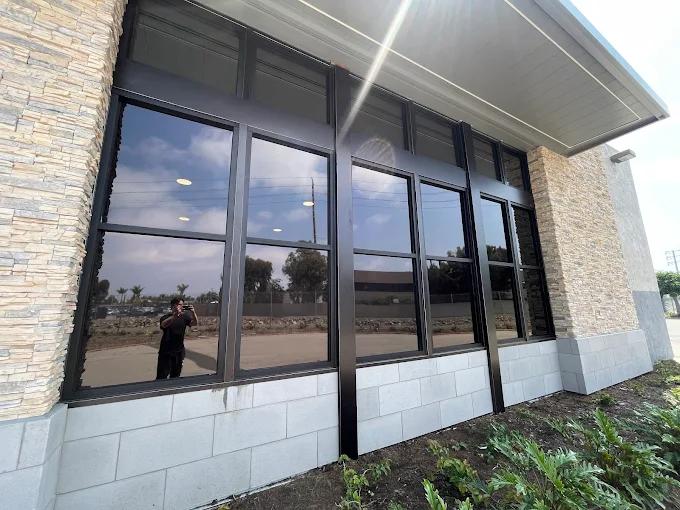
Residential window tinting is especially valuable for modern homes with large windows and open layouts. These designs increase daylight but also invite excess heat.
Key residential advantages include:
Reduced indoor heat during peak sunlight hours
Improved comfort in bedrooms and living areas
Less reliance on air conditioning systems
Protection for furniture, flooring, and décor
Over time, these benefits contribute to a more stable and comfortable home environment.
Automotive Comfort and Safety Improvements
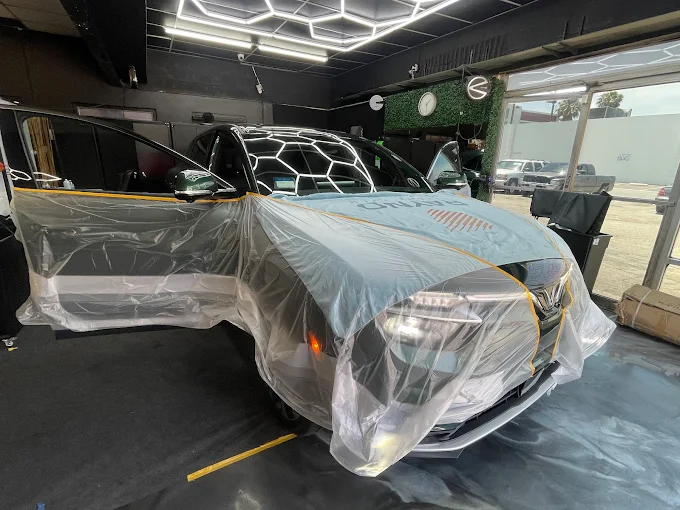
In vehicles, window tinting improves driving comfort and safety. Lower cabin temperatures reduce fatigue, while glare reduction improves visibility.
Tinted windows also help protect dashboards, seats, and electronics from sun damage, extending the life of interior materials.
Understanding Film Options and Performance
Not all window films perform the same way. Some are designed primarily for glare reduction, while others focus on heat and UV control. Ceramic Window Tint is often chosen for its advanced performance, as it reduces heat effectively without interfering with visibility or electronic signals.
Choosing the right film depends on climate, usage, and comfort goals rather than appearance alone.
Legal and Compliance Considerations
Before tinting windows, it is important to understand applicable regulations. While residential tinting has fewer restrictions, vehicle tinting must comply with Legal Window Tint in California standards to ensure safety and visibility.
Professional installers stay informed about these requirements and help ensure the selected film meets legal guidelines where applicable.
Installation Quality and Long-Term Results
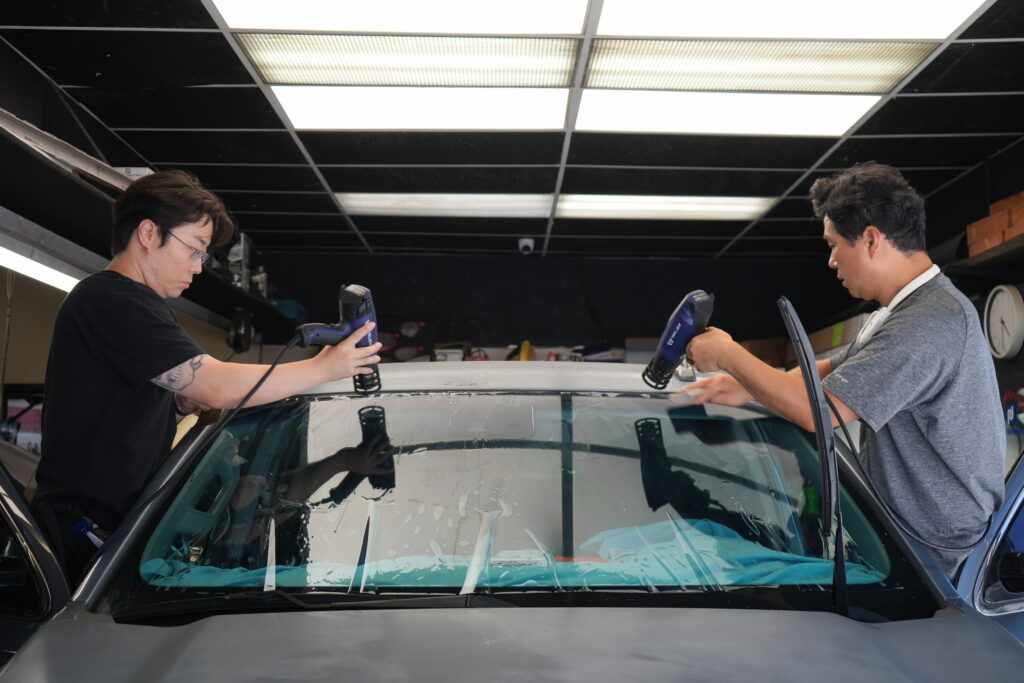
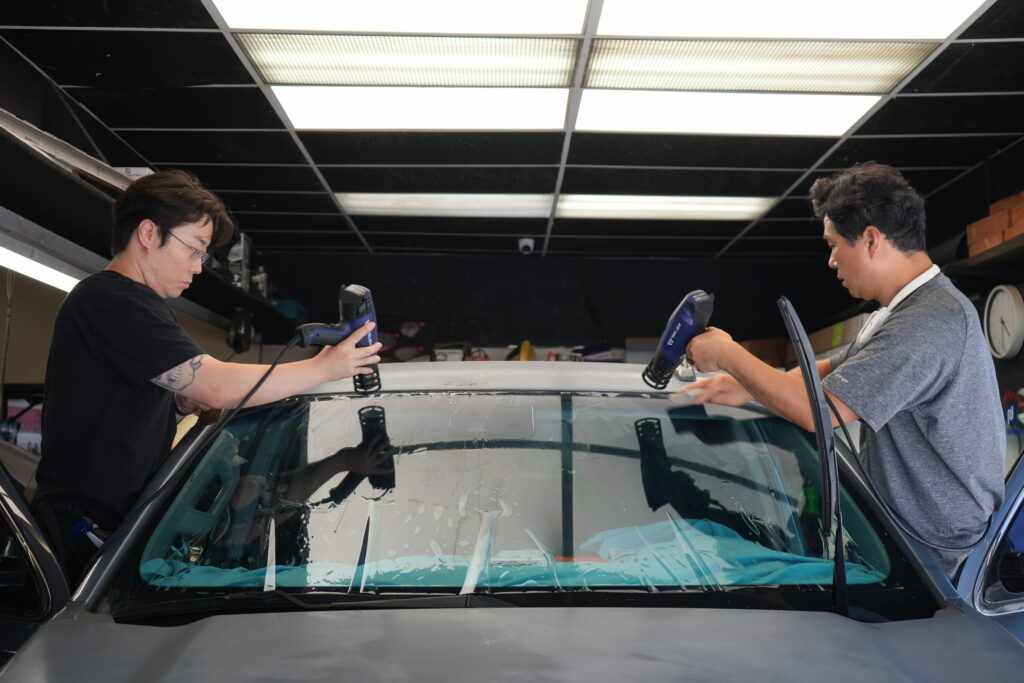
Proper installation plays a major role in how well window tint performs over time. Poor application can lead to bubbling, peeling, or uneven appearance.
Experienced providers such as Downey Tinting follow precise installation practices, ensuring clean finishes and consistent performance across all glass surfaces.
Maintenance and Care Expectations
Window tinting requires minimal upkeep. Regular glass cleaning with non-abrasive products is usually sufficient to maintain clarity and appearance.
Proper care helps extend the life of the film and preserves its heat-reduction properties.
Cost Considerations and Value
When evaluating upgrades, many homeowners ask about affordability. Window Tinting Service Cost varies based on window size, number of panes, and film type. While there is an initial expense, the long-term benefits often outweigh the upfront cost through improved comfort and reduced energy use.
Conclusion
Window tinting Lakewood offers a practical and effective way to manage daily heat in both homes and vehicles. By reducing solar heat gain, improving comfort, and protecting interior surfaces, window tinting supports better living and driving conditions throughout the year.
For families and drivers seeking a balanced solution without major renovations, window tinting stands out as a reliable upgrade. When considering overall value, factors such as comfort, durability, and Window Tinting Service Cost make this improvement a sensible long-term choice for everyday heat control.
Common Questions from Homeowners and Drivers
Is window tint permanent?
Window film is durable but not permanent. If needs change, it is possible to Remove Window Tinted Glass film professionally without replacing the glass itself.
Does tinting darken rooms or interiors?
Modern films are designed to manage heat and UV rays while maintaining natural light levels, avoiding a dark or enclosed feel.
Will tinting work in cooler seasons?
Yes. Window tinting can also help with insulation, reducing heat loss and improving comfort year-round.

Write a comment ...